
Mobile App Development for Small Businesses: Why It Matters More Than Ever
Take a moment and think about how many times you check your phone every day. Most people spend hours scrolling through apps, shopping online, booking services, and communicating with businesses directly through their mobile devices.
That is exactly why mobile app development for small businesses has become increasingly important in today’s digital economy. Businesses that fail to create seamless mobile experiences risk losing customers to competitors who are easier to access and interact with online.
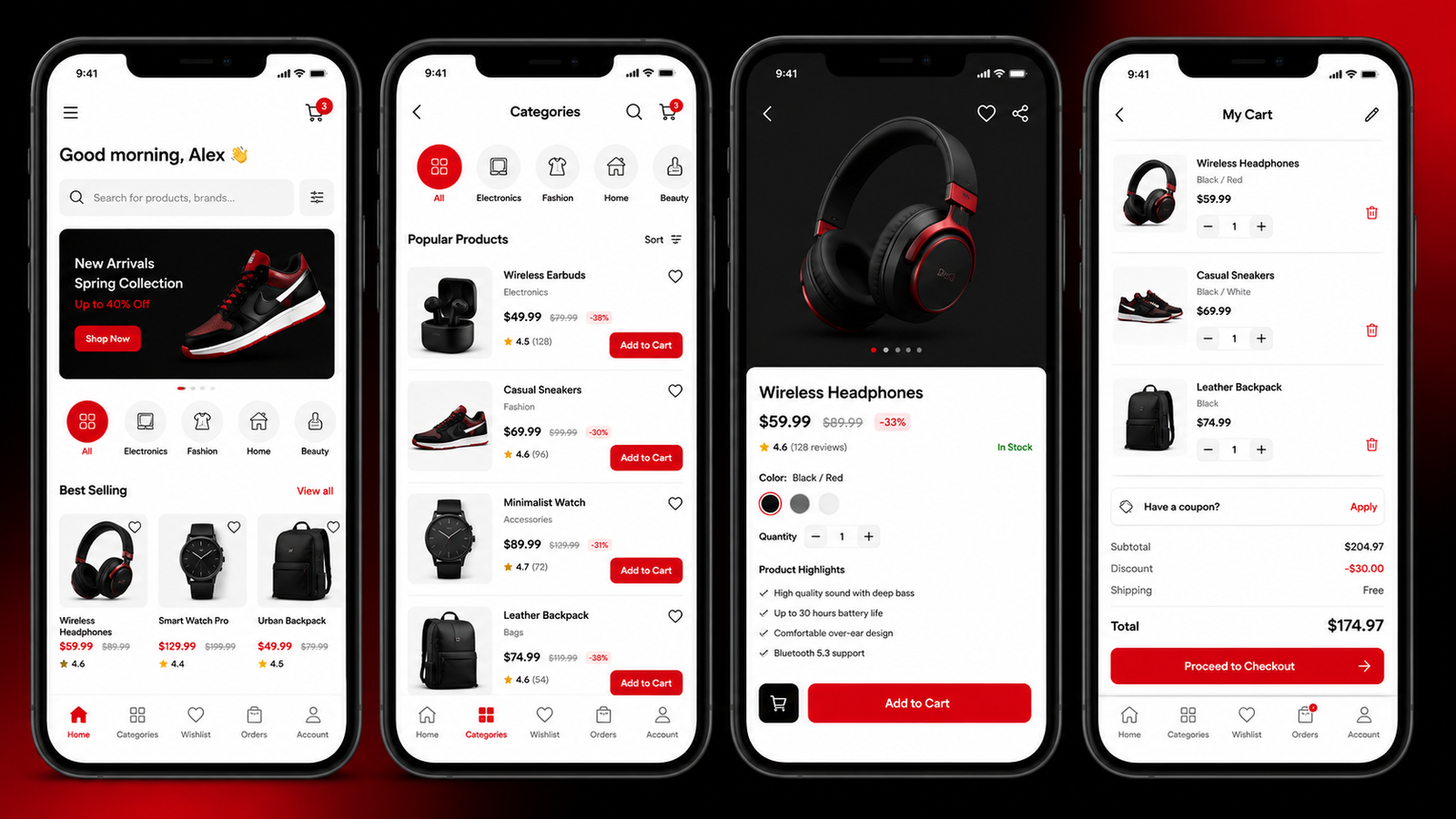
Whether it is booking appointments, making purchases, receiving notifications, or accessing customer support, mobile apps have become one of the fastest and most effective ways for businesses to improve customer engagement and streamline operations.
Businesses looking to modernize their digital presence can also explore digital solutions and business growth services from Robzz Digital to build scalable digital systems and improve online customer experiences.
Why Mobile Apps Are Important for Small Businesses
Customers Expect Mobile Convenience
Modern customers expect businesses to be available instantly and conveniently. Mobile apps allow businesses to stay connected with customers wherever they are, whether they are commuting, shopping, or relaxing at home.
Unlike websites that require users to search manually, apps create direct and constant accessibility through:
- push notifications,
- personalized communication,
- instant support,
- and simplified transactions.
According to the reference material, businesses increasingly invest in apps because they improve efficiency, automate operations, and create stronger customer experiences.
Benefits of Mobile App Development for Small Businesses
Improved Customer Engagement
Apps help businesses maintain direct communication with customers.
Push notifications allow businesses to:
- promote offers,
- announce updates,
- increase repeat purchases,
- and improve customer retention.
This level of accessibility strengthens brand visibility and customer loyalty over time.
Faster and Simpler Transactions
Mobile apps simplify the customer journey by allowing users to:
- book appointments,
- make purchases,
- request support,
- or manage subscriptions directly from their phones.
Reducing friction during transactions often leads to higher conversion rates and increased sales.
Better Business Automation
One major advantage of mobile app development for small businesses is automation.
Apps can automate:
- scheduling,
- reminders,
- customer follow-ups,
- payments,
- inventory management,
- and communication workflows.
This reduces manual work while improving operational efficiency.
Businesses interested in workflow automation and digital business systems can also learn more through Robzz Digital’s business automation services.
Valuable Customer Insights
Apps provide businesses with useful data about customer behavior and preferences.
Analytics tools can help businesses understand:
- purchasing habits,
- engagement patterns,
- customer interests,
- and retention trends.
This allows companies to make smarter marketing and operational decisions.
For additional insights into customer engagement and digital transformation, businesses can explore HubSpot’s customer experience resources.
Industries Benefiting Most From Mobile Apps
Service-Based Businesses
Businesses that rely on repeat appointments or customer interactions often benefit significantly from apps.
Examples include:
- salons,
- fitness studios,
- healthcare providers,
- consultants,
- and home service businesses.
Apps simplify scheduling and improve customer convenience.
Ecommerce Businesses
Mobile commerce continues to grow rapidly.
Apps help ecommerce businesses:
- improve checkout experiences,
- increase repeat purchases,
- personalize offers,
- and create stronger loyalty programs.
Healthcare and Wellness
Healthcare apps support:
- appointment booking,
- virtual consultations,
- patient monitoring,
- and personalized healthcare communication.
Education and Online Learning
Educational apps provide:
- personalized learning,
- progress tracking,
- interactive content,
- and remote accessibility.
Build a Custom App or Use No-Code Solutions?
The Custom App Development Approach
Building a custom app from scratch provides maximum flexibility and scalability.
However, it often requires:
- dedicated developers,
- larger budgets,
- ongoing maintenance,
- and longer development timelines.
Custom solutions are often ideal for businesses with highly specialized operational requirements.
The Rise of No-Code and Low-Code Apps
For many small businesses, no-code and low-code platforms provide a faster and more affordable solution.
These platforms allow businesses to:
- create apps visually,
- automate workflows,
- customize branding,
- and launch quickly without extensive technical expertise.
This approach is especially useful for startups and growing businesses seeking cost-effective digital transformation.
For more information about modern digital business technologies, businesses can also explore IBM’s digital transformation resources.

Signs Your Business May Need a Mobile App
If your team spends excessive time managing:
- scheduling,
- communication,
- customer tracking,
- or repetitive tasks,
automation through mobile apps may significantly improve efficiency.
Customers Want More Convenience
If customers frequently ask for:
- easier booking,
- online access,
- instant communication,
- or mobile ordering,
your business may already be ready for an app.
Your Systems Feel Disconnected
Many growing businesses struggle with fragmented systems and disconnected tools.
Mobile apps can centralize operations while improving workflow consistency and communication.
Best Practices for Successful Mobile App Development
Start With Clear Goals
Before developing an app, identify:
- what problem it solves,
- who will use it,
- and how it supports business growth.
Focus on User Experience
Simple, intuitive design improves customer satisfaction and app retention.
Complicated apps often discourage users from returning.
Prioritize Scalability
Choose solutions that allow your business to grow without constantly rebuilding systems.
Use Data and Analytics
Analytics help businesses continuously improve app performance and customer engagement.
Conclusion
Mobile app development for small businesses is no longer just a competitive advantage — it is becoming an essential part of modern business growth.
Businesses that invest in mobile experiences can improve customer engagement, automate operations, simplify transactions, and build stronger long-term relationships with customers.
The key is not simply building an app for the sake of trends. It is creating the right digital solution that supports your business goals, customer needs, and future growth.